People
Insights
ListenAudio Preview
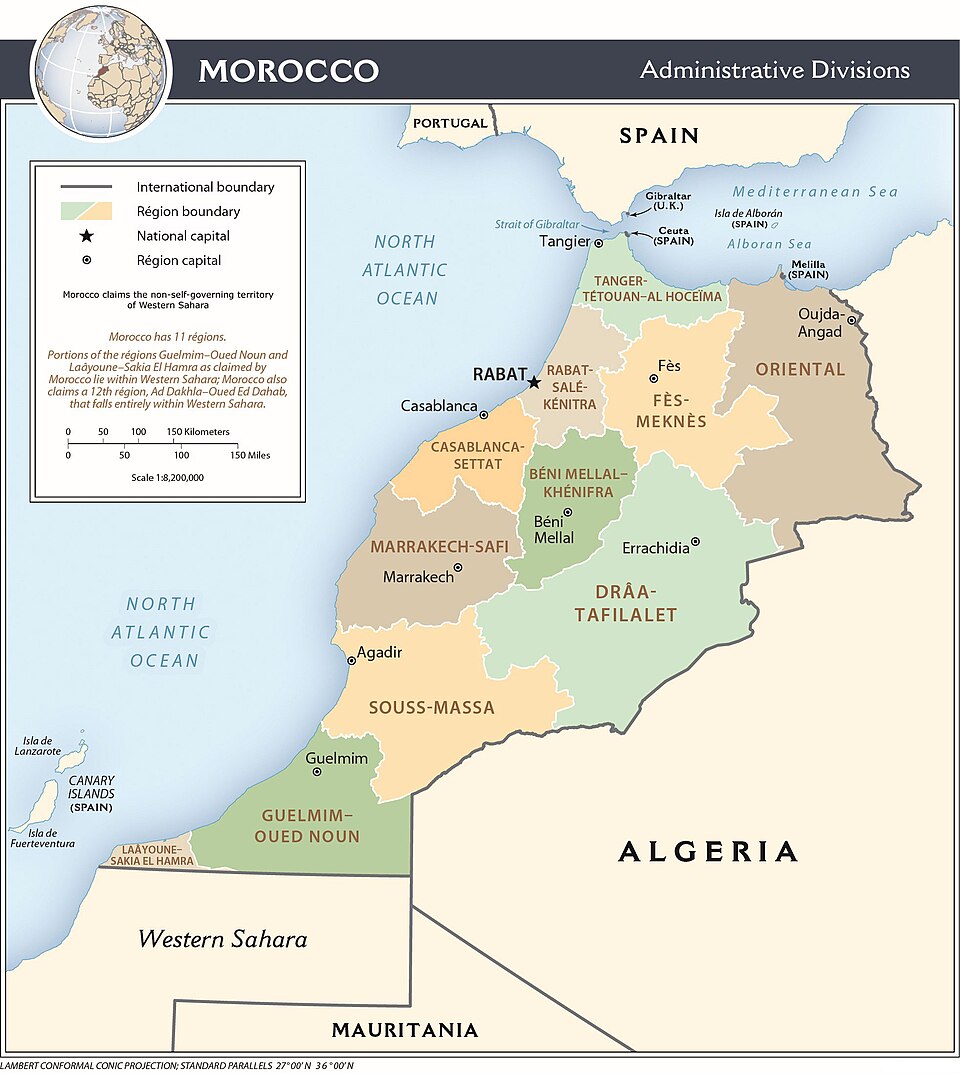
Morocco is a land of contrasts, where mountains meet desert, medinas bustle, and ancient traditions thrive alongside modern life. Home to over 38 million people, its population includes Arabs, Berbers (Amazigh), and mixed ethnicities, with vibrant communities in Casablanca, Rabat, Marrakech, and Fez. Arabic is the official language, while Berber languages gained official recognition in 2011, and French and English play growing roles in business, education, and tourism. Islam shapes cultural and religious life, complemented by small Jewish and Christian communities.
The climate ranges from Mediterranean coasts to semi-arid plains and snow-capped Atlas peaks, and the Sahara reaches 50°C in summer. Morocco’s economy blends agriculture, industry, and tourism, with phosphates as top exports and iconic products like argan and olive oil contributing to regional identity. Architecture reflects centuries of Islamic, Berber, and colonial influence, seen in medinas, kasbahs, and Art Deco buildings. Local crafts, music, festivals, and culinary traditions create immersive cultural experiences for visitors.
Tourism offers diverse experiences: exploring medinas, artisan workshops, desert excursions, and culinary classes. Environmental challenges, such as desertification and water scarcity, are addressed through modern initiatives and traditional Amazigh practices like agdal land management. Morocco’s monarchy, education system, and growing infrastructure ensure a blend of heritage and modernization. Visitors encounter welcoming people, rich cuisine, vibrant music, and striking landscapes—from snowy mountains to golden dunes. This journey highlights Morocco’s social, cultural, and ecological diversity, inviting travelers to explore its many layers.
Web Preview
Unlock Full Insight
Download the app to access the complete article, extended audio, and related local tips.
Get the App
COMPATIBLE WITH
iOS 15+ • Android 10+